1. From handball to crypto - how did you end up at Bitcoin Suisse?
Next to my handball career, I decided to study at ZHAW, where I attended a lectures on business economics with a specialization in banking & finance. The lecturer only explained Bitcoin as a "side story". I still remember it so well because Bitcoin had a value of 1$ at that time. A little later, I was introduced to blockchain technology on a technical level. From there on, I started to get more and more involved with blockchain technology and the crypto market.
During my studies, my focus was always handball. More and more, however, it became clear that my career as an active athlete would come to an end with the completion of my studies. It was clear to me that I would like to venture into the financial industry after my studies. My first touchpoint with Bitcoin Suisse was a former classmate from Sportgymi, Sebastian Fischer, who was just starting at Bitcoin Suisse at the time and was very positive about his new employer.
Just a few weeks later, I contacted the Athletes Network. They supported me in my transition to the professional world with various workshops, an assessment of my current position and a personal SWOT analysis. As an athlete, you are aware of your strengths, and ideally of your weaknesses on the playing field. Athletes Network helped me to identify my soft skills and put them into words. As the name suggests, Athletes Network also has a large network. This is how I connected with Luca Iten (Bitcoin Suisse Alumni). After some good conversations with Luca, I applied at Bitcoin Suisse, where I was subsequently allowed to introduce myself.
I already had a very good feeling towards the employees during the interview, which was crucial for me. Only a short time later, I was welcomed to my first day of work.
2. What skills did you learn in sports that help you now in your new job?
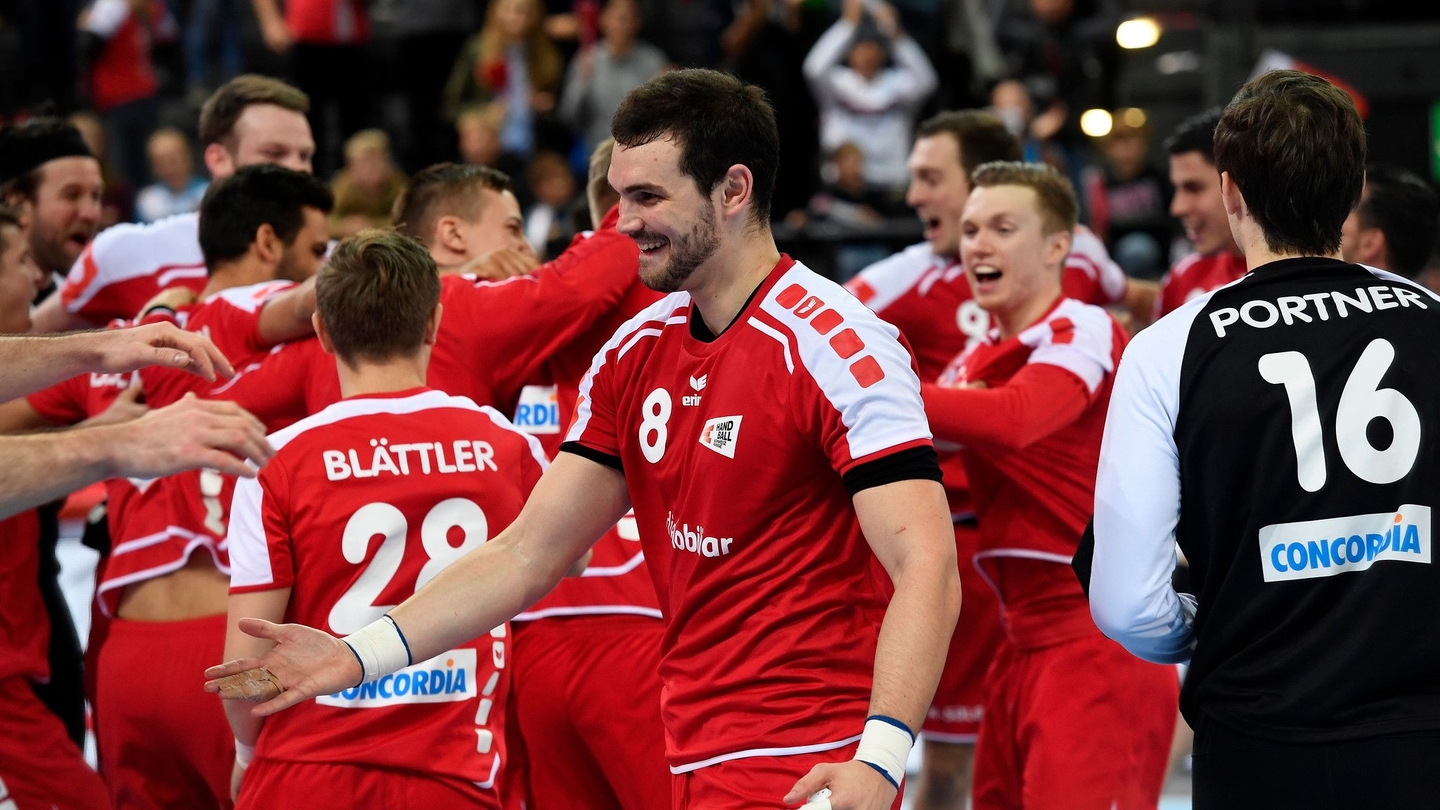
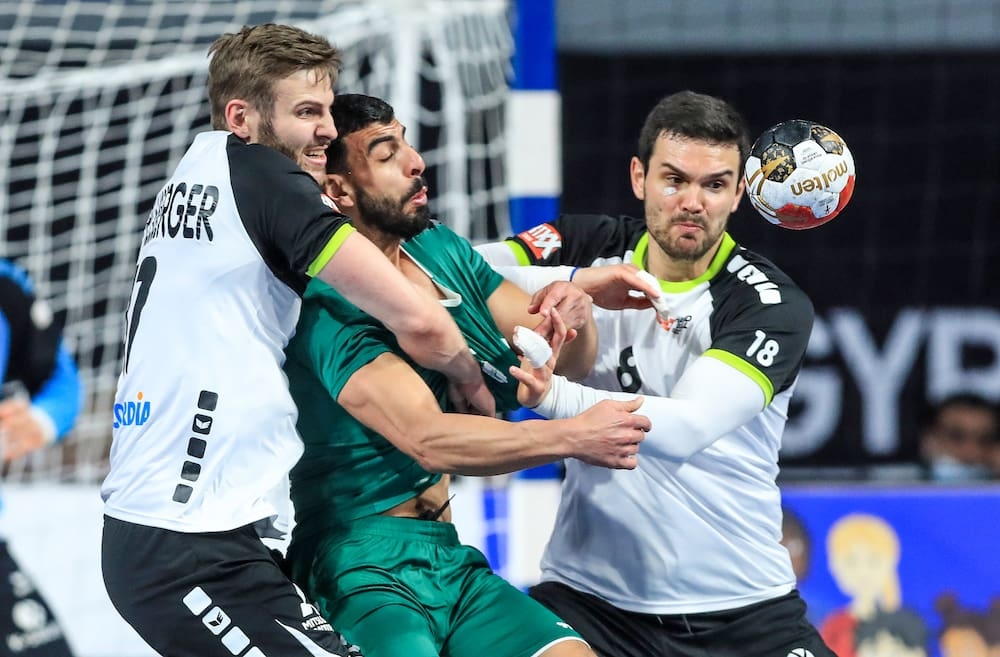
Perseverance: During a long period of my career, we were not able to qualify for any major tournament with the national team until we eventually managed to qualify for the 2020 European Championship in Denmark, Sweden and Austria. We played the group stage in Sweden, where the tournament unfortunately was over for us after just three games. At the same time, I considered this the end of my national team career, also because we could not qualify for the next tournament. Due to the COVID pandemic, the qualification for the 2021 World Cup in Egypt was canceled. However, it was also the pandemic that gave us the chance to still go to the World Cup. Two teams had too many positive COVID cases on their team and could not make the tournament. From writing my master's thesis straight to the pitch in Egypt. But that story is for another day (laughs). This story taught me that sometimes the reward for hard work doesn't come immediately, but without perseverance you will never get it.
The will to get better: That's the goal of any training - it's no different in my daily work. Even if sometimes it's only small steps, the important thing is not to stand still.
The ability to work in a team: In every group of people, sooner or later there will be arguments, friction or conflicts. In sports, I have learned that the resolution of these conflicts is based on a very individual basis. You have to yell at one teammate, motivate another and leave the third one alone to find his own way back to performance.