
The first thing I want to make very, very clear is that a quantum computer is not a faster version of a classical computer. It is a completely different machine. It works with a fundamentally different unit of information. Unlike an ordinary bit, which always holds one definite value of zero or one, a qubit gives you a zero or a one only at the moment you measure it. Behind that outcome sits a precise set of numbers, one for every possible configuration of the machine and as more qubits are added, the number of possible configurations of the computer grows exponentially.
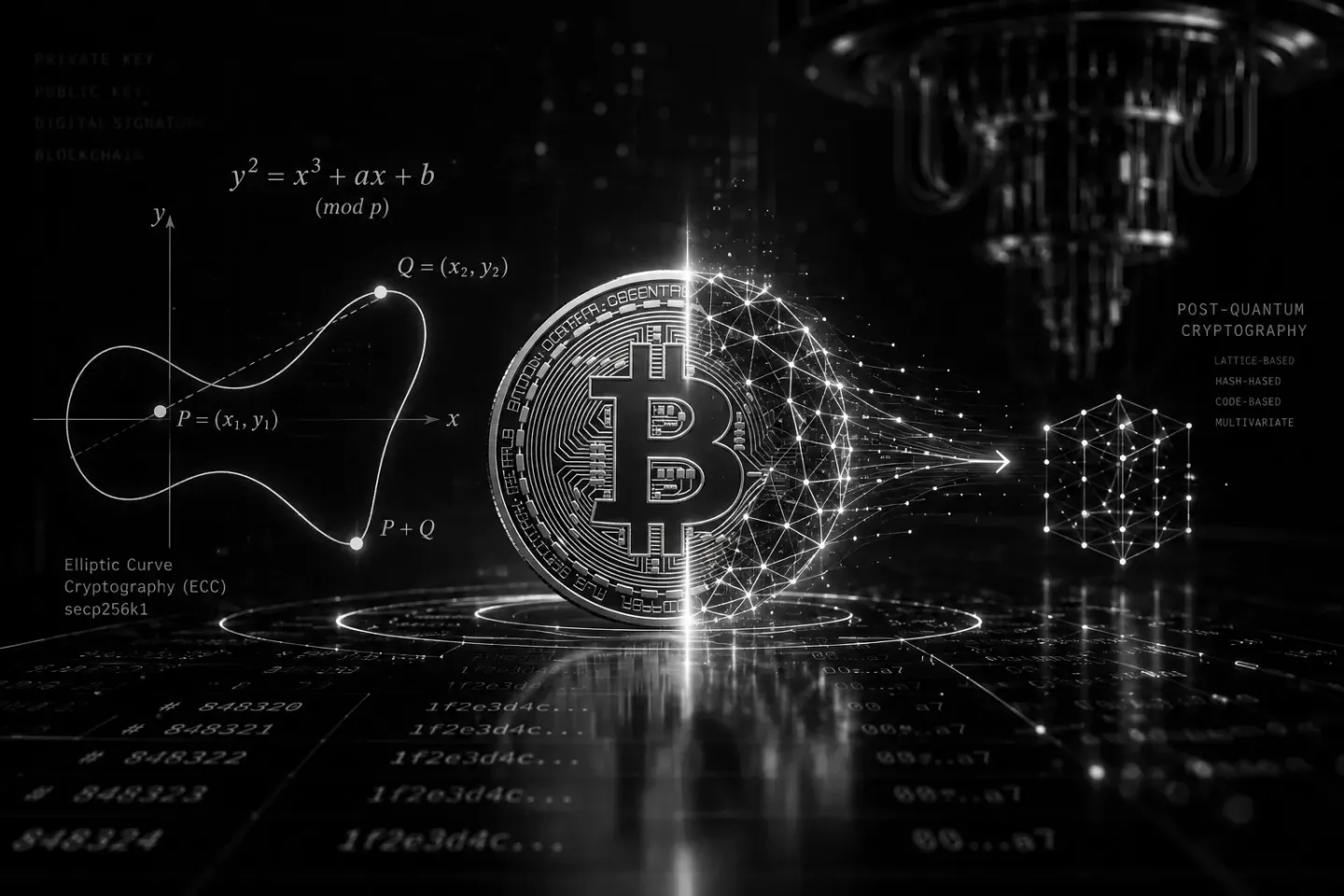
This matters because qubits enable different algorithms, not faster versions of the same calculations, but entirely new operations relying on quantum interference and entanglement that classical computers cannot emulate at scale, at least not in any practical timeframe. Most of those new algorithms are narrow and specialized, but one of them is a direct threat to the cryptography that secures Bitcoin.