
Neo is an open-source and decentralized platform that was released in 2014 with the initial name of “Antshares”. The rebranding to Neo happened in 2017 with the vision to enable a smart economy by using blockchain technology and smart contracts for issuing and managing digital assets. In contrast to other well-known blockchain technologies with smart contract capabilities, Neo started with a Proof-of-Stake consensus mechanism from the beginning – more precisely, the Delegated Byzantine Fault Tolerant mechanism (dBFT).
Neo’s MainNet was released in 2016 and has since received continuous enhancements to its platform. The latest being a completely new iteration of the Neo blockchain going under the name of Neo3, which brings several major improvements to the current Neo2. It is the result of a joint effort between the Neo Foundation and various open-source communities, preparing the Neo network for mass adoption.
This article looks back on the 4 years since the Neo2 MainNet launch and gives a future perspective by looking at Neo3’s recent developments.
Looking Back: Neo2 Impact
Neo considerably captured the attention of the blockchain community due to multiple factors.
One of these factors is the evolution of its innovative consensus mechanism. From the start Neo applied dBFT 1.0, an adaption of pBFT (Practical Byzantine Fault Tolerance), enabling fast single block finality. In other terms, single block finality denotes that confirmed transactions become irrevocable in the next block. No need to wait a couple of blocks to be certain. Several projects use versions of BFT nowadays, such as Libra and Cosmos, but back then it was an innovation in the blockchain space. However, dBFT 1.0 was susceptible to a single block fork in rare scenarios of high network latency among consensus nodes. While this could happen without stalling consensus, many Neo full nodes could potentially accept the forked block in the network, ultimately leading to operational issues.
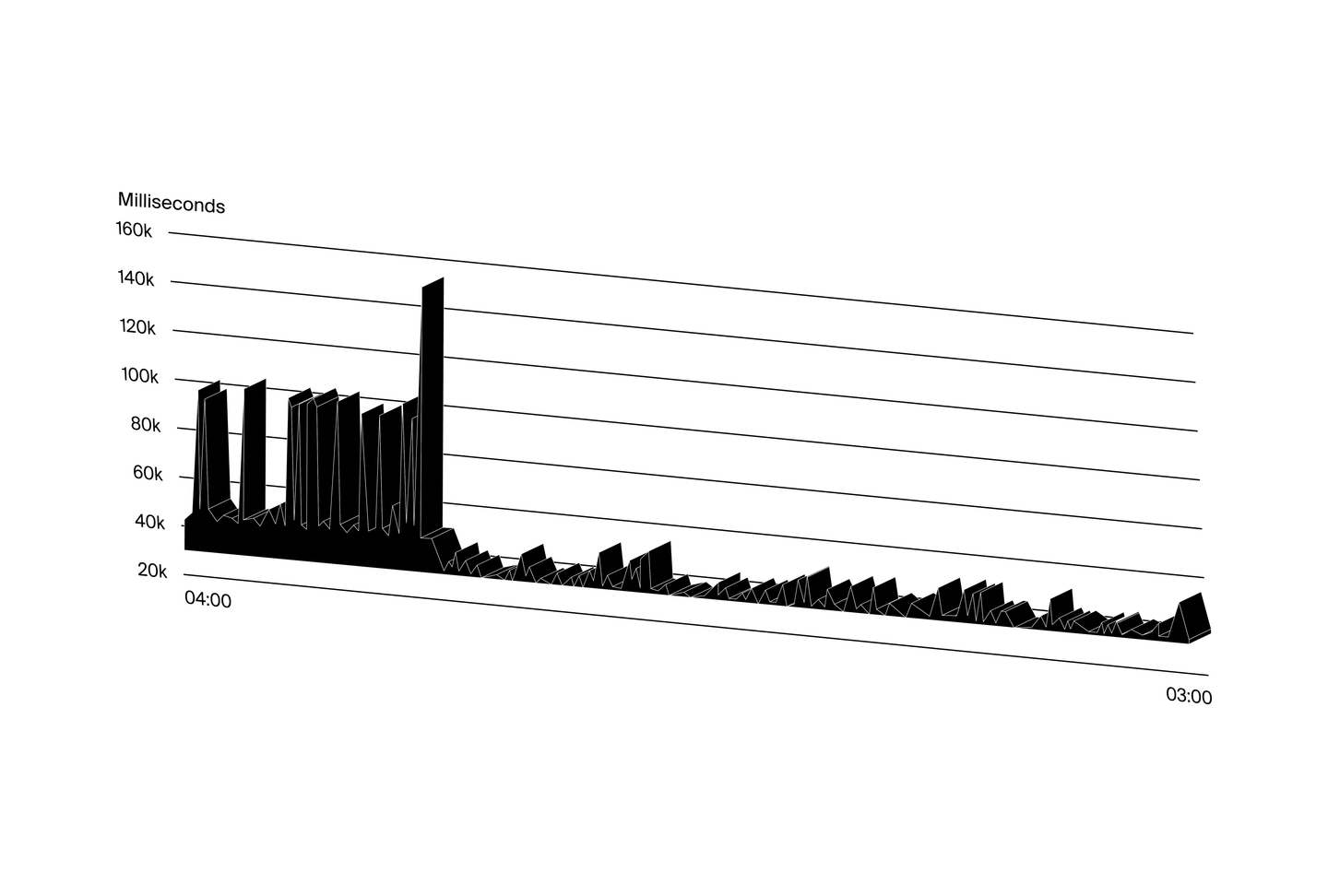
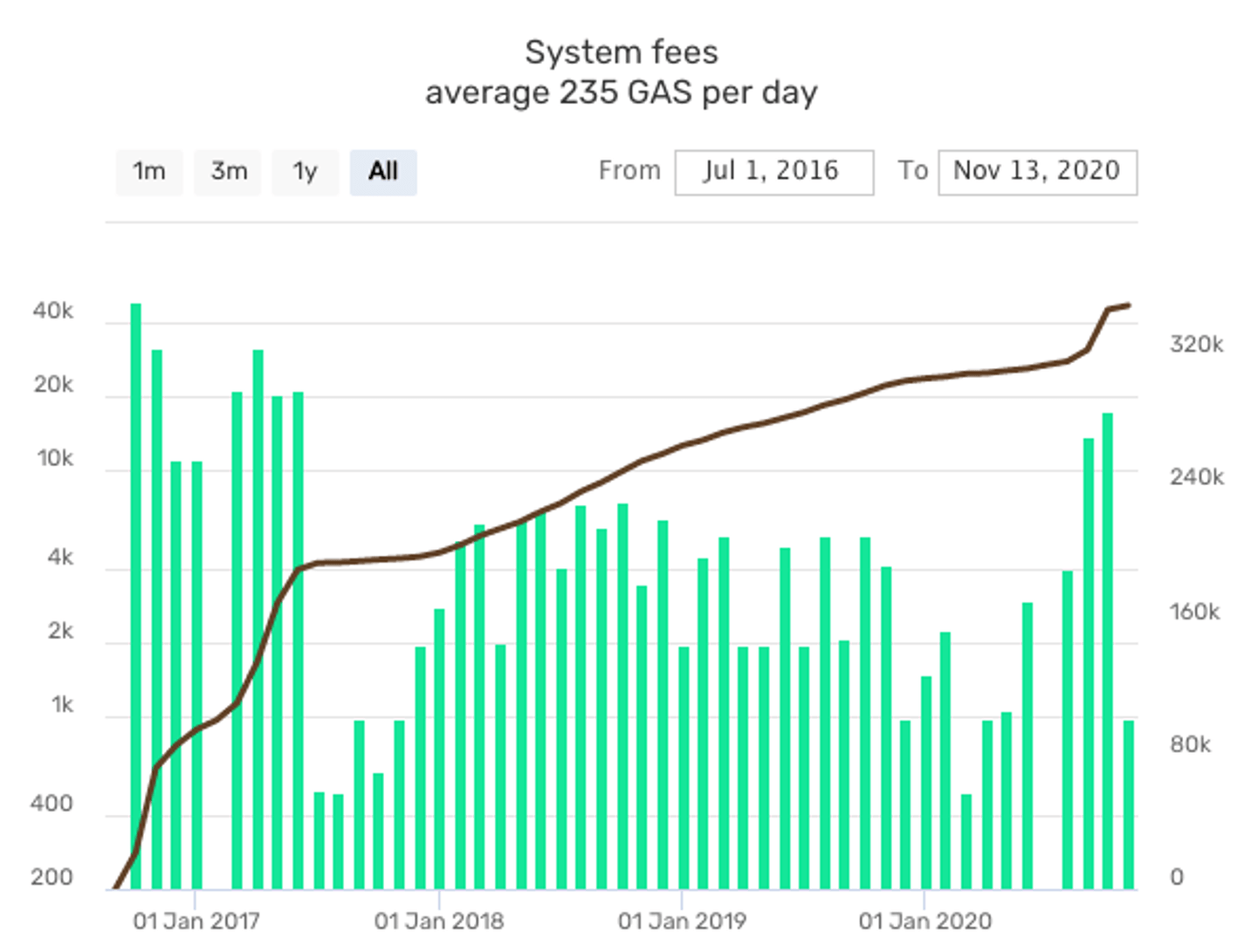
Therefore, the community widely discussed the problem and developed dBFT 2.0. In this version, not only the issue was fixed, but also performance was improved for situations like consensus node restarts due to hardware failures and targeted network attacks. Figure 1 shows the performance before and after the rollout of dBFT 2.0. Moreover, the dBFT 2.0 implementation provides audit instruments to keep track of any consensus nodes’ misbehavior.